One Year Per Decade: The Moments That Defined American Pop Culture, Decade by Decade
Editor's note: This article is part of 1Wiki's ongoing collaborative reference series. The years selected below reflect community debate, editorial research, and cultural analysis — but they are not final. Scroll to the bottom to see how you can challenge these picks and nominate your own.
History doesn't move in tidy ten-year blocks, but generations do tend to crystallize around specific moments. There are years that feel like hinges — points where the culture swung hard in a new direction and nothing looked quite the same afterward. This article attempts something ambitious (and deliberately controversial): identifying the single most culturally defining year from each decade of American life.
This isn't a greatest hits list. It's a reference framework, and like all good reference frameworks, it's meant to be challenged.
The 1920s → 1927
Why this year? The Jazz Age was already roaring, but 1927 was the year American culture went into overdrive. Charles Lindbergh crossed the Atlantic solo in May, turning a 25-year-old airmail pilot into the most famous person on Earth overnight. The Jazz Singer hit theaters in October, marking the arrival of talking pictures and effectively ending the silent film era. Babe Ruth hit 60 home runs. The country was drunk on optimism, spectacle, and speed.
 Photo: Babe Ruth, via static0.carbuzzimages.com
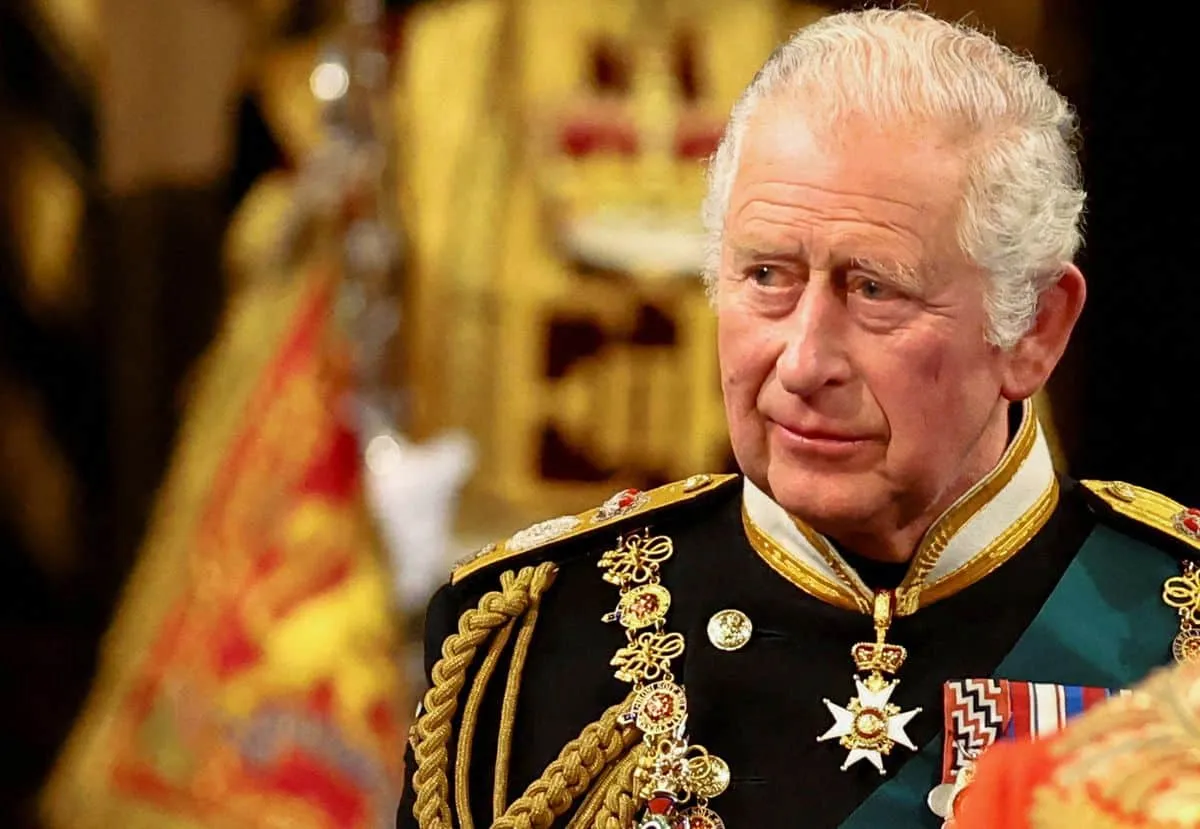 Photo: Charles Lindbergh, via cdn.siasat.com
Community debate: Several contributors have argued for 1929 — the crash that ended the party. A fair point. But 1927 captures the peak of what the '20s actually were before the reckoning came.
The 1930s → 1939
Why this year? Hollywood produced Gone with the Wind, The Wizard of Oz, and Stagecoach in the same calendar year — a creative output that's never been matched in a single twelve-month stretch. Meanwhile, war clouds were gathering in Europe, and Americans were glued to their radios trying to make sense of a world coming apart. The tension between escapism and dread that defined Depression-era culture hit its sharpest point in 1939.
Community debate: 1933 (FDR's New Deal, Prohibition's end) is a strong challenger. The community is split.
The 1940s → 1945
Why this year? The war ended. That's not a small thing. V-E Day in May and V-J Day in August bookended a summer that transformed the American self-image forever. The country that came home from World War II was fundamentally different from the one that went — more confident, more prosperous (eventually), and carrying wounds that would take generations to process. 1945 is the year the modern American era truly began.
The 1950s → 1955
Why this year? Rock and roll arrived as a mainstream force when Bill Haley & His Comets' "Rock Around the Clock" topped the charts. Rosa Parks refused to give up her seat in Montgomery, Alabama, in December, igniting the modern Civil Rights Movement. James Dean became a cultural icon and then died in September, cementing the mythology of rebellious youth. Disneyland opened its gates. The '50s are often remembered as placid and conformist, but 1955 shows the cracks that were already forming.
The 1960s → 1969
Why this year? This one generates the least debate. Woodstock. The moon landing. The Manson murders. The Stonewall Riots. The release of Abbey Road. Vietnam at full boil. 1969 is almost too much to process — it's like the entire decade compressed itself into twelve months and detonated. If you want to understand the '60s, you study 1969.
Community note: 1963 (JFK assassination) gets nominated frequently, and it's a legitimate contender for emotional weight alone.
The 1970s → 1977
Why this year? Star Wars changed movies — and by extension, American popular culture — permanently when it opened in May. Elvis died in August. Saturday Night Fever and disco were at their cultural zenith. The first Apple II computers shipped. It was the year that planted the seeds of everything that would define the '80s and beyond: blockbuster entertainment, tech culture, and the slow decline of the counterculture's dominance.
Community debate: 1973 (Watergate, Roe v. Wade, end of Vietnam draft) is a serious challenger for political and social weight.
The 1980s → 1984
Why this year? Apple aired its landmark Super Bowl commercial. Michael Jackson's Thriller was the best-selling album on the planet. The Terminator, Ghostbusters, and Indiana Jones and the Temple of Doom all hit theaters. MTV was reshaping how music was consumed. The Reagan era was in full swing. 1984 is the year the '80s aesthetic — glossy, loud, commercially saturated — achieved full form.
The 1990s → 1994
Why this year? Kurt Cobain died in April, marking the symbolic end of grunge's cultural dominance. Pulp Fiction redefined independent cinema. Forrest Gump won Best Picture. The internet became publicly accessible in meaningful ways. O.J. Simpson's arrest captivated the country. Friends and ER premiered on NBC. It's hard to find a more densely packed cultural year in the decade.
Community note: 1991 (Nirvana's Nevermind, the Gulf War, Magic Johnson's announcement) is the top challenger in our forums.
The 2000s → 2001
Why this year? September 11 doesn't require elaboration. The attacks on the World Trade Center and the Pentagon altered the American worldview, the political landscape, and the country's sense of safety in ways that are still being felt. Culturally, there is a clear before and after. 2001 is the dividing line.
The 2010s → 2016
Why this year? The presidential election of 2016 cracked American culture along fault lines that had been building for years — social media as a political battleground, the fragmentation of shared reality, the rise of identity as the defining lens of public life. Whether you're looking at the explosion of streaming content, the dominance of smartphones, or the political earthquake of November that year, 2016 is the moment the 2010s stopped being a continuation of the previous decade and became something new entirely.
Community debate: 2012 (social media peak, Obama's re-election, Sandy Hook) has strong support. 2020 — while technically the next decade — gets nominated by contributors who argue the 2010s culturally didn't end until the pandemic hit.
This List Is Meant to Be Argued With
That's the whole point. Cultural history isn't a settled science — it's an ongoing conversation between people who lived through these moments and people trying to understand them in hindsight. At 1Wiki, we believe the best reference content isn't handed down from on high; it's built collaboratively, challenged constantly, and improved over time.
So here's your invitation: head to the 1Wiki community forums and make your case. Which year did we get wrong? Which decade's pick feels lazy or obvious? What year from your own lifetime do you think changed everything?
The article you just read is a starting point. What it becomes next depends on you.