One Street, Two Clocks: The American Towns Living in Permanent Time Warp
Most of us take for granted that when we wake up, everyone in our neighborhood agrees on what time it is. Maybe you're grumpy about it being Monday, but at least you and your neighbor are grumpy at the same Monday. For a surprising number of Americans, though, that basic shared reality doesn't exist. They live in places where time itself is up for debate — where the diner on the east side of town runs an hour ahead of the hardware store on the west side, and where scheduling a dentist appointment requires a small act of logistical courage.
Welcome to the weird, wonderful, and occasionally maddening world of America's time zone edge cases.
The Patchwork Nobody Planned
The United States officially recognizes six time zones across its contiguous states, plus Alaska and Hawaii. On paper, that sounds tidy. In practice, the boundaries of those zones were drawn — and redrawn, and occasionally ignored — over more than a century of political compromises, railroad lobbying, and local stubbornness. The result is a map that looks less like a clean grid and more like something a toddler colored in with their non-dominant hand.
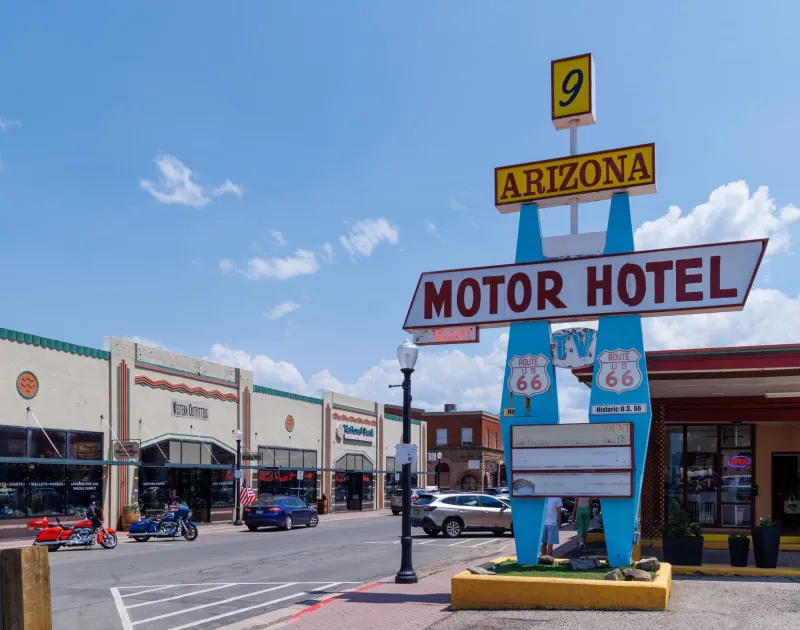
The Uniform Time Act of 1966 was supposed to bring order to the chaos by standardizing when Daylight Saving Time kicked in. Instead, it handed individual states the right to opt out entirely — and a handful of them took that option and ran with it. Arizona is the most famous holdout, staying on Mountain Standard Time year-round while its neighbor Nevada "springs forward" every March. But even within Arizona, the Navajo Nation observes DST, creating an island of different time inside a state that otherwise refuses it. Then, just to keep things interesting, the Hopi Reservation — which sits entirely inside the Navajo Nation — does not observe DST. So driving across that particular stretch of northeastern Arizona means toggling your clock back and forth multiple times in a single afternoon.
The Town That Runs on Two Times at Once
Few places illustrate the human cost of this confusion better than the area straddling the Indiana-Kentucky border, a region that spent decades in genuine civic turmoil over what time it was supposed to be. Indiana counties spent years individually deciding whether to observe DST or ignore it, meaning that a road trip across the state could require you to reset your watch multiple times without ever leaving Indiana. The state finally standardized in 2006, but the memory of those years lingers among older residents like a recurring bad dream.
Over in the Florida Panhandle, the town of Sneads sits in Central Time while much of the rest of Florida operates on Eastern. Drive east from Sneads toward Tallahassee and you gain an hour without boarding a plane. Local residents have largely made their peace with it, but visitors — and especially remote workers who've relocated from other states — often spend their first few weeks in a low-grade fog of missed meetings and confused family phone calls.
"I told my mom I'd call her at seven," one Sneads transplant from Atlanta posted in a local community forum. "She waited an hour. I waited an hour. We didn't talk until eight."
The Business of Being Behind (or Ahead)
For residents, the confusion is an annoyance. For businesses, it can translate directly into lost money. Restaurants near time zone borders have to decide which clock to put on their sign — and either choice will confuse some portion of their customers. TV listings become a minor adventure. Sports bars showing live games have to mentally calculate whether the 7 p.m. tip-off is their 7 p.m. or someone else's.
Healthcare facilities near zone borders deal with some of the most critical version of this problem. Hospitals that serve patients from multiple time zones have to be meticulous about documenting which time standard they're using for medication schedules and procedure times. A mix-up there isn't just inconvenient — it can be genuinely dangerous.
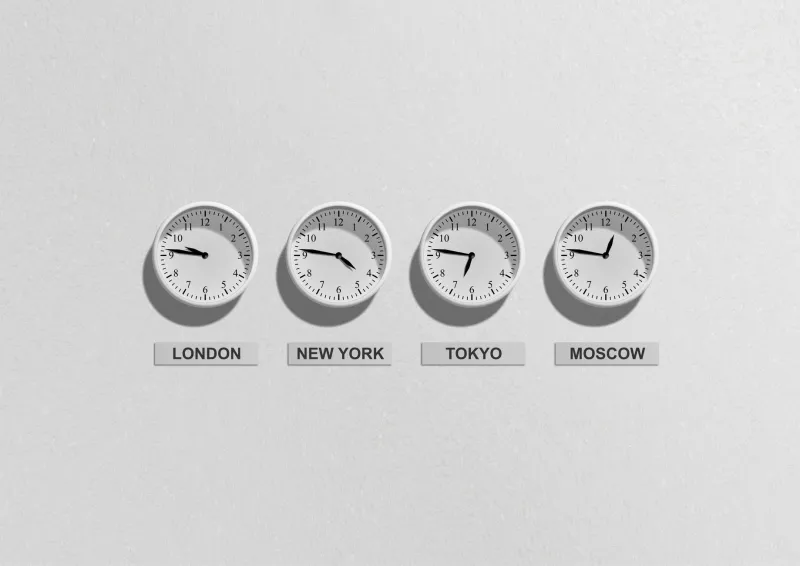
Small businesses in border towns often post two clocks behind the counter, one for each zone. It's a solution so obvious it almost feels like a joke, but for the people running those shops, it's just Tuesday.
The People Who've Learned to Live With It
Here's the thing about humans: we adapt. Talk to people who've lived their whole lives near a time zone boundary and many of them will shrug it off with the practiced ease of someone who's long since stopped finding it remarkable.
In the border region between Kansas and Missouri, where Central and — briefly, in some towns' histories — Eastern time have collided, longtime residents developed an almost casual fluency in time-switching. "You just know," is a phrase that comes up a lot. You know which clock your employer uses. You know which clock your kid's school uses. You know which clock your favorite restaurant uses. You carry a mental map of time the same way you carry a mental map of the roads.
But that fluency takes years to develop, and it comes at a cost. New residents, remote workers, and visitors don't have it. And as more Americans move around the country for work — especially since the rise of remote work reshuffled where people choose to live — these quiet little time zone fault lines are catching more people off guard than ever before.
Why Don't We Just Fix It?
Every few years, someone in Congress floats a bill to make Daylight Saving Time permanent, or to abolish it entirely, or to redraw the zone lines. The Sunshine Protection Act has bounced around Washington more than once. States have passed their own measures expressing preferences. And yet the clocks remain exactly as chaotic as they've always been.
Part of the problem is that any change creates winners and losers. Farmers, parents of young children, early-morning commuters, and late-night TV watchers all have different stakes in what the clock says when they wake up. Unifying time across a continent-sized country isn't just a technical problem — it's a deeply political one, tangled up with regional identity, economic interests, and the basic human resistance to being told what time it is.
For now, the people of Sneads and the drivers crossing the Navajo Nation and the restaurant owners posting two clocks on their walls will keep doing what Americans have always done when the system doesn't quite work: improvise, adapt, and maybe set a second alarm just to be safe.
Know a town with a particularly wild time zone story? Drop it in the comments — the 1Wiki community is always looking to add another pin to the map.