No Receipt Needed: The Shadow Economy Thriving in America's Own Backyards

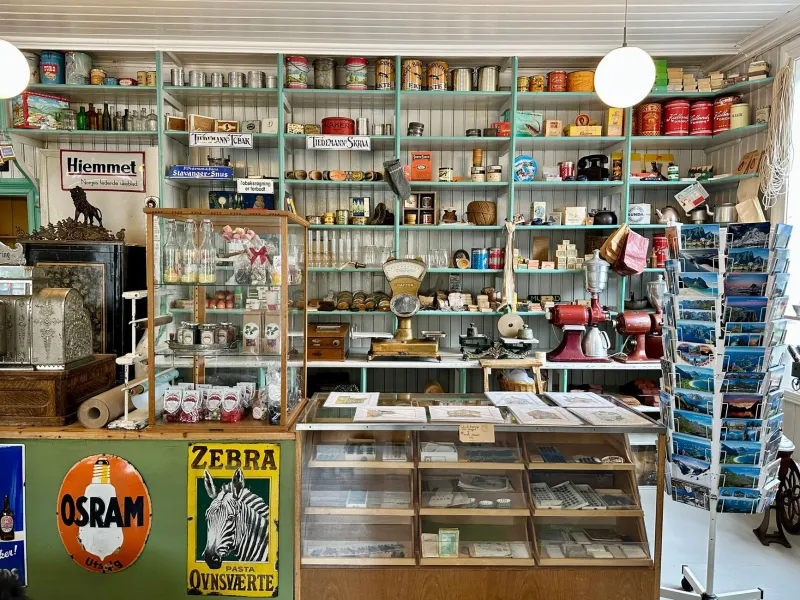
Photo: neighbors trading goods community exchange backyard, via facts.net
On a Tuesday morning in a suburb of Denver, a woman drops off a box of homegrown zucchini on her neighbor's porch. In exchange, she'll get two hours of help painting her garage on Saturday. No Venmo, no invoice, no transaction record of any kind. On a neighborhood Facebook group in suburban Atlanta, someone posts that they have a working stand mixer they no longer need. Within four hours, it's gone — and the person who took it has left behind a flat of tomato seedlings.
In Brooklyn, a WhatsApp group of about 200 residents functions as an informal lending library, a skills exchange, and an occasional meal-sharing network. One member, a retired electrician, has helped seven households fix wiring issues. He doesn't charge. When his back went out last spring, three different neighbors brought food.
None of this shows up in GDP. None of it generates sales tax. And all of it is, quietly, changing the texture of American economic life.
The Oldest Economy in the World
Barter and mutual exchange aren't new ideas. They predate currency by millennia, and in America specifically, informal trade has always operated alongside — and sometimes in spite of — the formal market economy. Frontier communities survived on it. Immigrant neighborhoods built themselves around it. During the Great Depression, entire towns ran on scrip and trade networks when cash dried up.
What's changed in the last decade, and especially since 2020, is the infrastructure. Social media platforms, neighborhood apps like Nextdoor, and dedicated tools like the Buy Nothing Project have given informal exchange networks the kind of reach and organization that used to require physical proximity and long-standing social ties.
You no longer have to know your neighbor to trade with them. You just have to be in the same Facebook group.
The Pandemic Effect
The COVID-19 pandemic accelerated something that was already building. When supply chains buckled and store shelves went unpredictably bare, Americans rediscovered the practical value of local networks. Neighborhood mutual aid groups — many of them organized in a matter of days in early 2020 — connected people who had surplus resources with people who had needs. Grocery runs for elderly neighbors. Shared childcare arrangements. Tool lending. Bulk buying cooperatives.
Many of those groups didn't dissolve when the acute crisis passed. They evolved.
"We started as a 'who needs groceries' group," says a Chicago-area organizer who helped launch a neighborhood mutual aid network in spring 2020. "Now we're more like a community resource hub. People share job leads, trade skills, pass along furniture. The pandemic showed people that their neighbors were actually useful to them, and that turned out to be a hard thing to unlearn."
Buy Nothing groups — local Facebook communities where members give away items for free with no expectation of direct reciprocity — grew explosively during this period. The Buy Nothing Project, which provides a framework for these groups, reported hundreds of new chapters forming across the US throughout 2020 and 2021. By some estimates, there are now thousands of active groups, ranging from small apartment complexes to entire zip codes.
Skills Are Currency
Beyond goods, skill-swap networks are gaining traction in ways that would have seemed niche just ten years ago. Time banking — a system where one hour of service earns one time credit, regardless of the skill involved — has been around since the 1980s, but digital platforms have made it far more accessible.
hOurworld, TimeBanks USA, and various local apps now connect people who want to exchange services without money changing hands. A tax preparer trades hours with a massage therapist. A web designer helps a plumber build a basic website; the plumber fixes a leaky sink. In theory, the system values everyone's time equally — a principle that appeals to a lot of people who feel the conventional economy doesn't.
Not every informal skill exchange is that structured. Plenty of it happens through the same neighborhood apps and group chats driving the goods-based barter revival. Someone posts that they need help moving a couch; someone else responds that they'll help if the poster can watch their dog next weekend. Done.
What This Means for Traditional Retail
Retailers and economists have taken note. While the scale of informal exchange is genuinely difficult to measure — that's sort of the point — the cultural shift it represents is hard to ignore. When a household opts to get a needed item through a Buy Nothing group rather than purchasing it, that's a sale that didn't happen. Multiply that across millions of households and you start to see the outlines of something structurally significant.
More interesting, perhaps, is what the informal economy reveals about unmet needs in the formal one. People turn to barter and mutual exchange not just when they're cash-strapped, but when they feel the transactional nature of conventional commerce is missing something. The Denver woman trading zucchini for painting help isn't necessarily broke. She might just prefer the relationship that comes with the exchange.
The Limits and the Possibilities
None of this is utopian. Informal economies have their own inequities — they tend to work best in communities that already have social capital, and they can exclude people who lack the time, language skills, or internet access to participate. The same neighborhood app that facilitates a heartwarming tool-lending network can also become a vehicle for gatekeeping and exclusion if the community dynamics turn sour.
And for people whose livelihoods depend on conventional commerce — small retailers, service providers, gig workers — the growth of informal alternatives creates genuine competitive pressure without the regulatory and tax structures that govern the formal economy.
But for the millions of Americans who are participating, the appeal seems to go beyond practicality. In a country where many people don't know their neighbors' names, an economy built on mutual recognition — even a small, local, imperfect one — feels like something worth having.
The zucchini helps too.