Population: 12. Still Here: The Tiny American Communities That Refused to Vanish
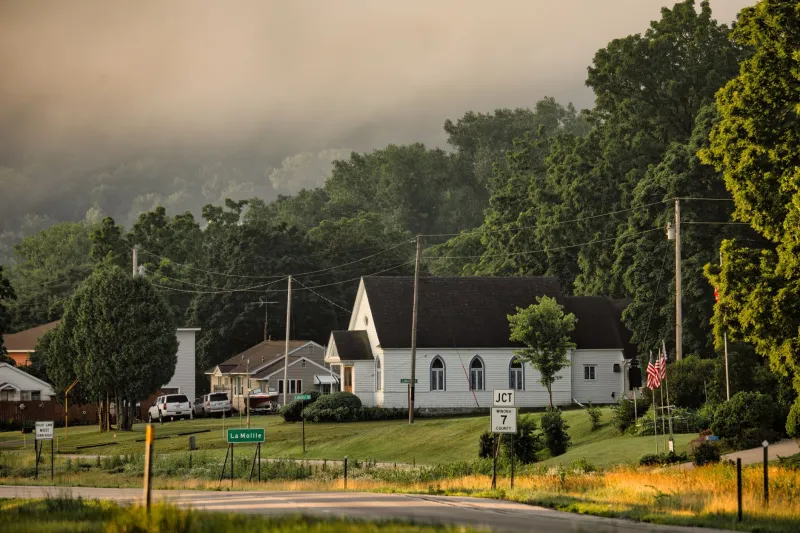
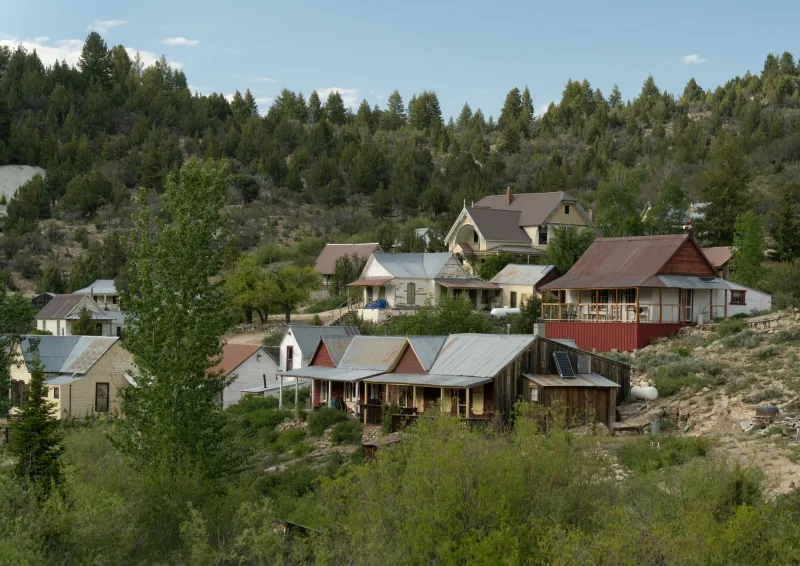
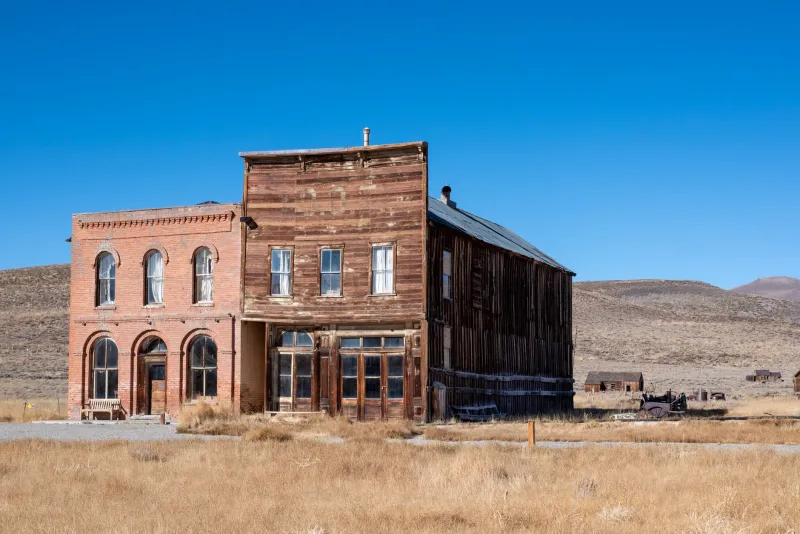
Somewhere in the American interior — down a state road that Google Maps labels with a thin gray line and a quiet sense of uncertainty — there's a town that technically shouldn't exist anymore. The post office closed in 1987. The school shut its doors sometime in the Clinton administration. The grain elevator rusted out years ago, and the diner that used to anchor the main block is now home to a family of barn swallows.
And yet: people live there. A dozen of them, maybe. Sometimes fewer. They shovel their own driveways, wave to the same three neighbors they've waved to for forty years, and roll their eyes when some journalist shows up asking why they haven't left yet.
"Left for what?" is the answer you'll hear most often.
The Numbers Nobody Talks About
The United States Census Bureau counts hundreds of incorporated places with populations under 100. Unincorporated communities — hamlets, crossroads settlements, loose clusters of farmsteads that share a name and a zip code — push that number into the thousands. These aren't ghost towns in the romantic, tourist-brochure sense. They're not frozen in amber or preserved for weekend visitors. They're just... small. Quietly, stubbornly small.
Monowi, Nebraska is probably the most famous example. At last count, its official population was one: Elsie Eiler, who holds every elected position in town because she's the only voter. She runs the tavern, maintains the library her late husband built, and has become something of a folk celebrity — though she'd probably rather just be left alone to do her crossword puzzle.
Monowi is an extreme case, but it's not an isolated one. Gross, Nebraska (population hovering around two). Lost Springs, Wyoming (which dipped to a single resident for a stretch in the 1990s). Bonanza, Colorado. Ruso, North Dakota. These places persist not because of economic logic or urban planning wisdom, but because of something harder to quantify.
Why They Stay
Ask the remaining residents of these micro-communities why they haven't packed up and moved to the nearest city, and you'll get answers that range from deeply practical to almost philosophical.
For some, it's land. Families that have farmed the same acres for four or five generations don't just walk away because the population dropped below double digits. The soil is the inheritance. The house is the history. Selling and relocating isn't a lifestyle upgrade — it's a severance from everything that gives life meaning.
For others, it's cost. Rural living, even in a near-abandoned town, can be dramatically cheaper than anywhere with a Starbucks within twenty miles. Retirees on fixed incomes, artists seeking space and quiet, remote workers who figured out that a 900-square-foot house on two acres beats a studio apartment in any mid-sized city — these folks have done the math, and the math keeps pointing them back to the small place.
And then there are the ones who will tell you, with complete sincerity, that they simply can't imagine living anywhere else. Not because they've never seen the alternatives, but because they have — and they came back anyway.
"I lived in Denver for six years," one resident of a sub-50-person community in eastern Colorado told a local newspaper a few years back. "I knew my neighbors' names there too. I just never talked to them."
How They Keep the Lights On
Sustaining a community of twelve people requires a kind of creative improvisation that larger towns never have to develop. Shared resources become non-negotiable. If one household has a working tractor, everyone benefits. If someone's nephew is an electrician, he's the town electrician. Mutual aid isn't a political concept in these places — it's just Tuesday.
Many of these micro-communities have quietly pivoted toward niche economies. Hunting and fishing tourism. Agritourism. Bed-and-breakfast operations that trade on the novelty of extreme remoteness. A surprising number have found second lives as artist retreats or writers' colonies, where the very emptiness that drove others away becomes the main attraction.
Federal and state rural development grants have kept some of these places technically functional — maintaining roads, supporting volunteer fire departments, keeping a water system operational for a handful of households. It's not glamorous, and the bureaucratic fight to access those funds can be exhausting for communities that may have exactly one person willing to fill out the paperwork.
But they figure it out. They always seem to figure it out.
What the Maps Got Wrong
Here's the thing about a place that doesn't appear on most maps anymore: the people who live there know exactly where they are.
There's a particular kind of knowledge that accumulates when you've watched a community shrink and stayed anyway. You know which road floods in March. You know whose dog will bark at your truck and whose won't. You know where the best fishing hole is, which field the deer move through at dusk, and which neighbor to call at 2 a.m. if something goes wrong. That knowledge doesn't transfer. You can't pack it in a moving box.
These communities also serve as living archives. The histories they carry — of settlement patterns, of boom-and-bust cycles, of how the land was worked and by whom — exist nowhere else in quite the same form. When the last resident of a place finally does leave, something irreplaceable goes with them. Not just a person. A whole way of understanding a particular piece of ground.
Stubbornness as a Form of Identity
America has always had a complicated relationship with the idea of staying put. The national mythology celebrates movement — the wagon train, the frontier, the fresh start somewhere new. Mobility is progress. Leaving is ambition.
But the people holding down these tiny communities are pushing back against that narrative, quietly and without much fanfare. They're not staying because they failed to leave. They're staying because they decided the place was worth keeping. That's a different thing entirely.
At 1Wiki, we think that distinction matters. The communities that don't make the headlines, that don't have scenic overlooks or famous alumni or Wikipedia pages with more than two sentences — those places are part of the story too. Maybe the most honest part.
Because the question these residents are answering every single day isn't really about square footage or job markets or proximity to an airport. It's about what a place means to the people who chose it. And that answer, it turns out, can be strong enough to outlast almost everything.
Even a map that says you're not there anymore.