Deeply Weird, Deeply Local: The American Traditions That Make Perfect Sense If You're From There
Somewhere in rural Wisconsin, a group of grown adults is about to hurl a frozen fish across a parking lot in a competition that has been running since the 1980s. In a small Texas town, a crowd is gathering to watch a chicken walk across a numbered grid in what is, technically, a gambling event. In Vermont, people are lining up to eat soup in the woods in February, on purpose, because they want to.
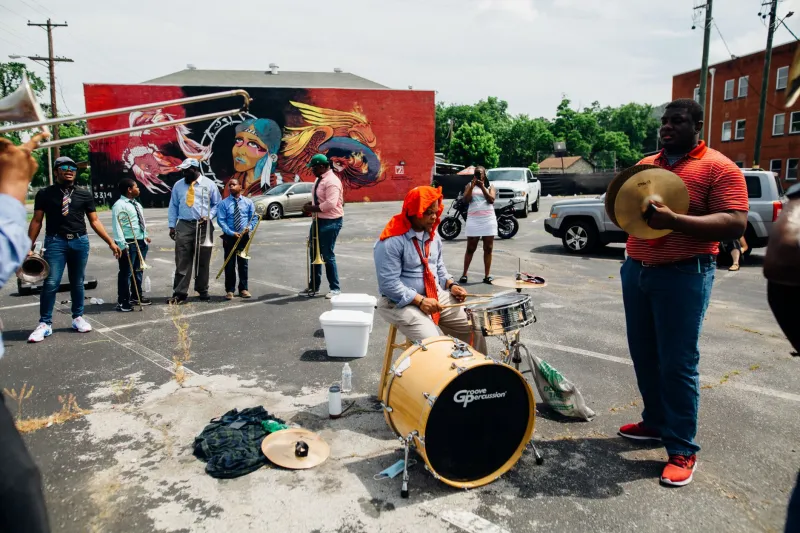
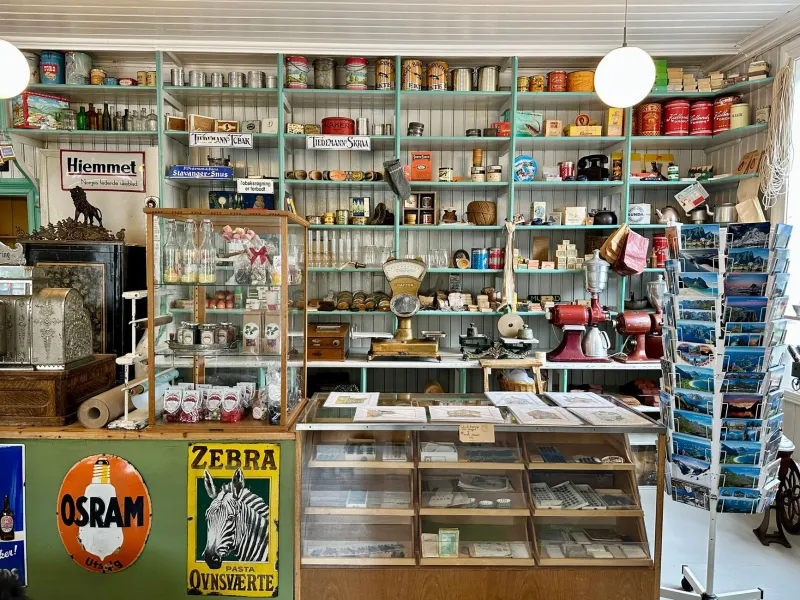
None of these traditions were handed down from ancient civilizations. None of them have obvious practical origins. And yet they persist — year after year, generation after generation — because the communities that practice them have decided, with full awareness of how strange this looks from the outside, that they are worth keeping.
This is a piece about those traditions, and more importantly, about why they matter.
The Taxonomy of American Weird
Before we get into specific examples, it's worth noting that American hyperlocal traditions tend to cluster into a few loose categories.
There are the competition-based rituals — events that took some ordinary or absurd activity and turned it into a formal contest with rules, trophies, and genuine competitive stakes. The World Championship Cow Chip Throwing Contest in Beaver, Oklahoma has been running since 1970 and draws competitors who have spent actual time developing technique. The Gilroy Garlic Festival in California includes a cook-off that participants take extremely seriously, despite (or because of) the fact that it involves garlic ice cream.
Then there are the calendar-anchored ceremonies — things that happen on a specific date every year, whose origins have become fuzzy but whose continuation feels non-negotiable. Groundhog Day in Punxsutawney, Pennsylvania is the nationally famous version, but every region has its own. The Blessing of the Fleet ceremonies that happen in coastal fishing communities from Louisiana to Massachusetts. The Sweetwater Rattlesnake Roundup in Texas, which is exactly what it sounds like and has been running since 1958.
And then there are the purely inexplicable ones — traditions whose origins nobody can quite explain but whose continuation is defended with genuine passion. The annual Frozen Dead Guy Days festival in Nederland, Colorado, which celebrates a Norwegian man whose frozen body is still stored in a shed in town, has somehow become a legitimate music and arts festival. The logic of how that happened is almost impossible to reconstruct, and the locals seem to enjoy that.
What Survives and Why
The traditions that last tend to have a few things in common, and they're not what you'd expect.
They're rarely the most logical ones. The ones that stick are almost always the ones that require effort, that have a specific aesthetic, and that can't easily be replicated somewhere else. The Iditarod Trail Sled Dog Race in Alaska is a tradition, yes, but it's also a 1,000-mile endurance test that exists because of specific geographic and cultural conditions that are unique to Alaska. You can't franchise that.
More surprisingly, the ones that survive are often the ones that were slightly embarrassing to begin with. There's a specific social dynamic at work in small communities where a tradition becomes a source of identity precisely because outsiders find it baffling. The embarrassment becomes pride. The weirdness becomes the point.
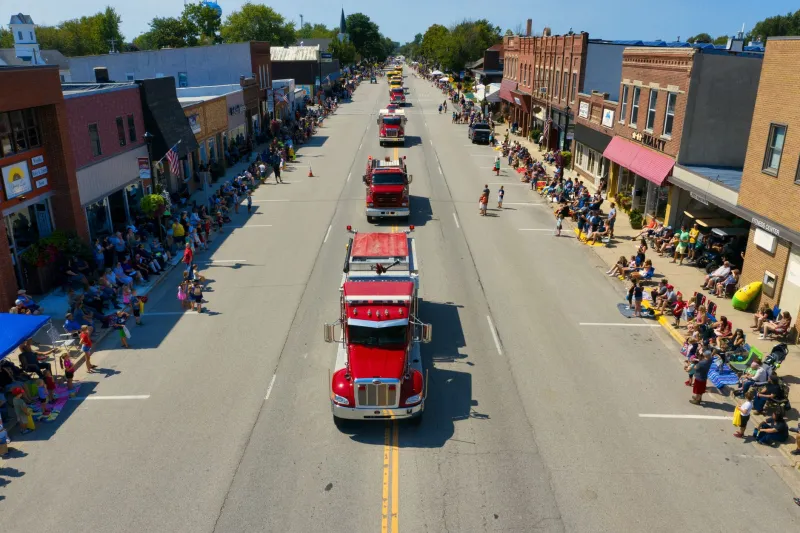
In Laurel, Mississippi, the annual Sawmill Square Parade features floats built by local businesses and organizations that have been doing this since before most of the current participants were born. It's not flashy. It's not nationally covered. But it fills the streets every year because it belongs to the people who live there, and that belonging is worth more than polish.
The Ones That Almost Didn't Make It
Not every weird tradition survives. Many have died out quietly — the specific combination of community support, institutional infrastructure, and collective will that keeps a tradition alive is fragile, and any one of those elements can fail.
But some came back from the edge. The Mummers Parade in Philadelphia — a New Year's Day tradition involving elaborate costumes, string bands, and a level of civic absurdity that has to be seen to be believed — has faced cancellations, controversies, and budget crises over its 120-plus year history. It keeps coming back, partly because the Mummers clubs that organize it are deeply embedded in South Philadelphia neighborhood identity, and partly because Philadelphia has decided, collectively, that this particular piece of weirdness is worth protecting.
The Macy's Thanksgiving Day Parade started as a tradition too, of course — a scrappy, employee-organized affair in 1924 that has since become a national institution. But most traditions don't scale like that. Most of them stay local, stay weird, and stay exactly what they were.
The Politics of Peculiarity
Here's the thing about locally specific traditions that doesn't get discussed enough: they are acts of resistance.
In a country where culture increasingly flows from the same sources — the same streaming platforms, the same national retail chains, the same algorithm-optimized content — the insistence on doing something that only makes sense if you're from a specific place is genuinely countercultural. It's a community saying: we have our own history, our own humor, our own way of marking time, and we don't need it to travel.
The Mothman Festival in Point Pleasant, West Virginia turns the town's association with a 1960s paranormal legend into a two-day celebration that draws visitors from across the country. But its heart is local — it's Point Pleasant's way of owning its own story, on its own terms, without waiting for Hollywood to do it for them.
That's the deeper logic behind all of these traditions, the frozen fish and the chicken bingo and the February soup. They're not just quirky. They're a community's way of saying: this is who we are, this is what we find funny or meaningful or worth celebrating, and we've decided that matters enough to do it again next year.
How to Find Your Own
If you want to find the real American weird — not the curated, Instagram-friendly version, but the genuine article — the trick is to look for events with hand-painted signs, events that are covered only by the local paper, events where the organizers have been doing this for decades and seem slightly confused about why you're there.
Ask a local what the weirdest thing their town does every year. Then show up for it. Bring a dish if they tell you to. Don't take too many photos.
The whole point is that it belongs to them. You're just lucky they let you watch.