No Name, No Problem? The Strange American Places That Slipped Through the Map
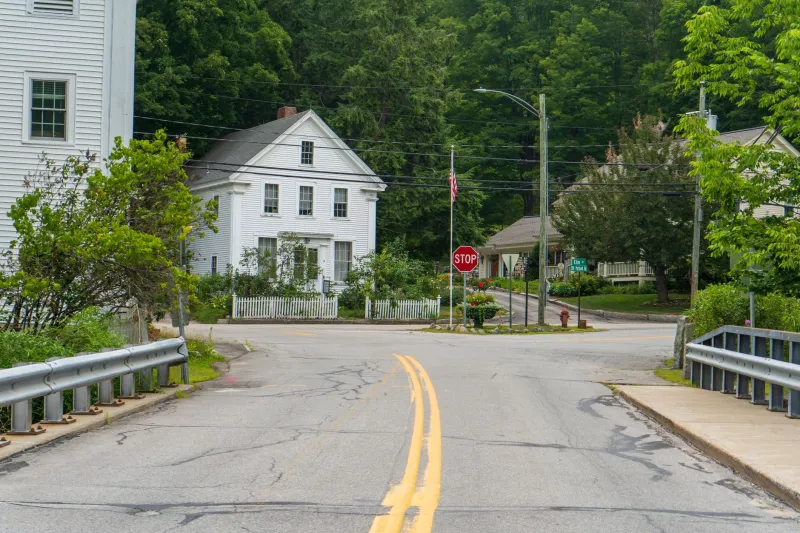
There's a stretch of road somewhere in rural Nebraska — or maybe it's Kansas, depending on who you ask — where a cluster of old houses sits near a grain elevator and a shuttered feed store. People live there. Mail gets delivered. Kids grew up there and moved away and still say they're "from" somewhere nearby, even if that somewhere doesn't technically have a name on any official document.
This isn't a ghost town. It's not abandoned. It just never got a name that stuck.
And it's far from alone.
The Invisible Addresses of America
The United States is full of places that exist without a formal identity. These aren't the famous ghost towns of the American West — the ones with dramatic backstories involving silver rushes and fires and floods. These are quieter situations: rural communities that formed organically around a mill or a church or a family farm, grew just enough to sustain themselves, and then got left out of the naming process entirely.
In Census Bureau terminology, these sometimes fall under the category of "unincorporated communities" or simply go unclassified. The Census tracks Census-Designated Places (CDPs), but plenty of populated spots never qualify for even that modest recognition. They exist in a bureaucratic gray zone — real to the people who live there, invisible to everyone else.
The reasons vary wildly. Some communities were too small to bother with formal naming. Others were settled by groups — immigrant communities, religious enclaves, Indigenous populations — whose place names were deliberately ignored or overwritten by English-speaking surveyors and local governments. Some places had names that were stripped away as part of consolidation efforts, when counties merged school districts or postal routes and smaller communities got absorbed into larger ones without ceremony.
When Names Get Taken Away
Losing a name isn't always an accident. Sometimes it's a decision — and not always a neutral one.
Across the South, many historically Black communities that formed after Reconstruction had informal names that were widely used by residents but never officially recognized. When infrastructure came through — roads, phone lines, later internet — those names often got skipped in favor of nearby white-majority towns or generic county designations. The community kept existing. The name just didn't make it onto anything official.
Similar patterns show up in Indigenous communities throughout the Southwest and the Great Plains. Places with deep, meaningful names in Lakota or Navajo or Choctaw were renamed, mislabeled, or simply left blank on federal maps. The original names didn't disappear from the communities themselves — they lived on in conversation and in memory — but they got locked out of the official record.
This is part of what makes unnamed and de-named places so historically loaded. The absence of a name on a map isn't just an oversight. Sometimes it's a statement about whose communities were considered worth acknowledging.
The Crossroads That Almost Were
Not every unnamed place carries that kind of weight, though. Some are just quirky products of American geography and the chaotic way settlement happened here.
In the mid-1800s, post offices were often the deciding factor in whether a community got a name. If you had a post office, you needed a name to put on it — so settlers would submit proposals to the Postmaster General, sometimes getting wildly creative, sometimes just using the name of whoever owned the most land nearby. When post offices closed (and thousands did, especially after rural electrification and car ownership made longer trips feasible), the names sometimes closed with them.
There are also the places that almost got named — communities that submitted proposals, got rejected because the name was already taken somewhere else in the state, and never got around to trying again. A few of these ended up with placeholder names, or informal nicknames that locals used but that never showed up on signs. Others just... stayed nameless.
What You Actually Call It
Here's the thing about unnamed places: the people who live near them usually have a name for them anyway. It just doesn't show up anywhere official.
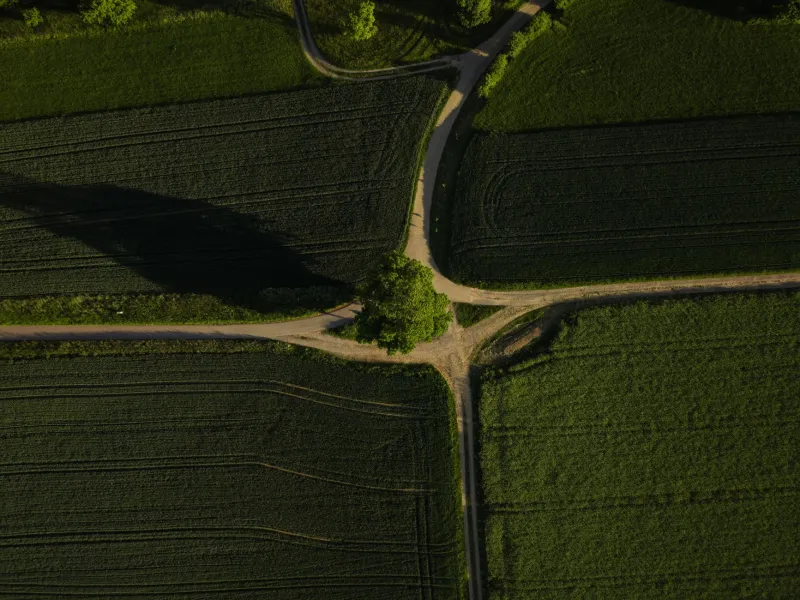
"The Corners." "Out past the Hendersons' place." "That little town before you hit Route 9." Directions in rural America have always operated on a different logic than GPS-friendly addresses, and unnamed communities fit right into that system. You know where it is. Everyone around there knows where it is. The fact that it doesn't have a sign doesn't make it any less real.
This is actually one of the things 1Wiki readers have pointed out again and again in community discussions: local knowledge fills in the gaps that official records leave behind. Someone who grew up three miles from an unnamed crossroads knows its whole history — the family that founded it, the church that burned down in 1962, the reason the road bends funny near the old property line. None of that lives in any database. It lives in people.
Documenting the Gaps
There's a growing movement — loosely organized, mostly amateur — to document these unnamed and informally named places before the people who remember them are gone. Local historians, genealogists, and geography enthusiasts have been doing this work for decades, but the internet has made it easier to connect and share.
Projects like the USGS Geographic Names Information System (GNIS) have catalogued millions of place names, including historical ones, but gaps remain enormous. Community wikis, local Facebook groups, and county historical societies are often sitting on information that's never been digitized or cross-referenced with anything else.
That's where something like collaborative knowledge-sharing — the whole reason 1Wiki exists — becomes genuinely useful. The unnamed place you drove past your whole childhood might be exactly the kind of thing that deserves a record. Not a formal designation, necessarily. Just a document. A story. A pin on a shared map.
Your Turn
Do you know a place like this? A community with no official name, or one that used to have a name and lost it? A crossroads everyone called something that never made it onto a sign?
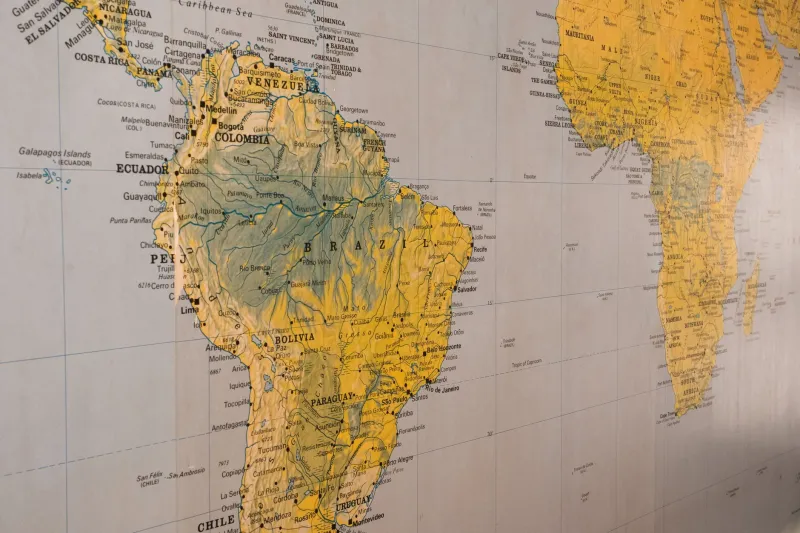
This is the kind of local knowledge that's irreplaceable once it's gone — and it's exactly the kind of thing this community is built to preserve. Drop what you know in the comments, tag a location if you can, and help fill in the blank spots on America's map. The unnamed places are still out there. They just need someone to say their name.